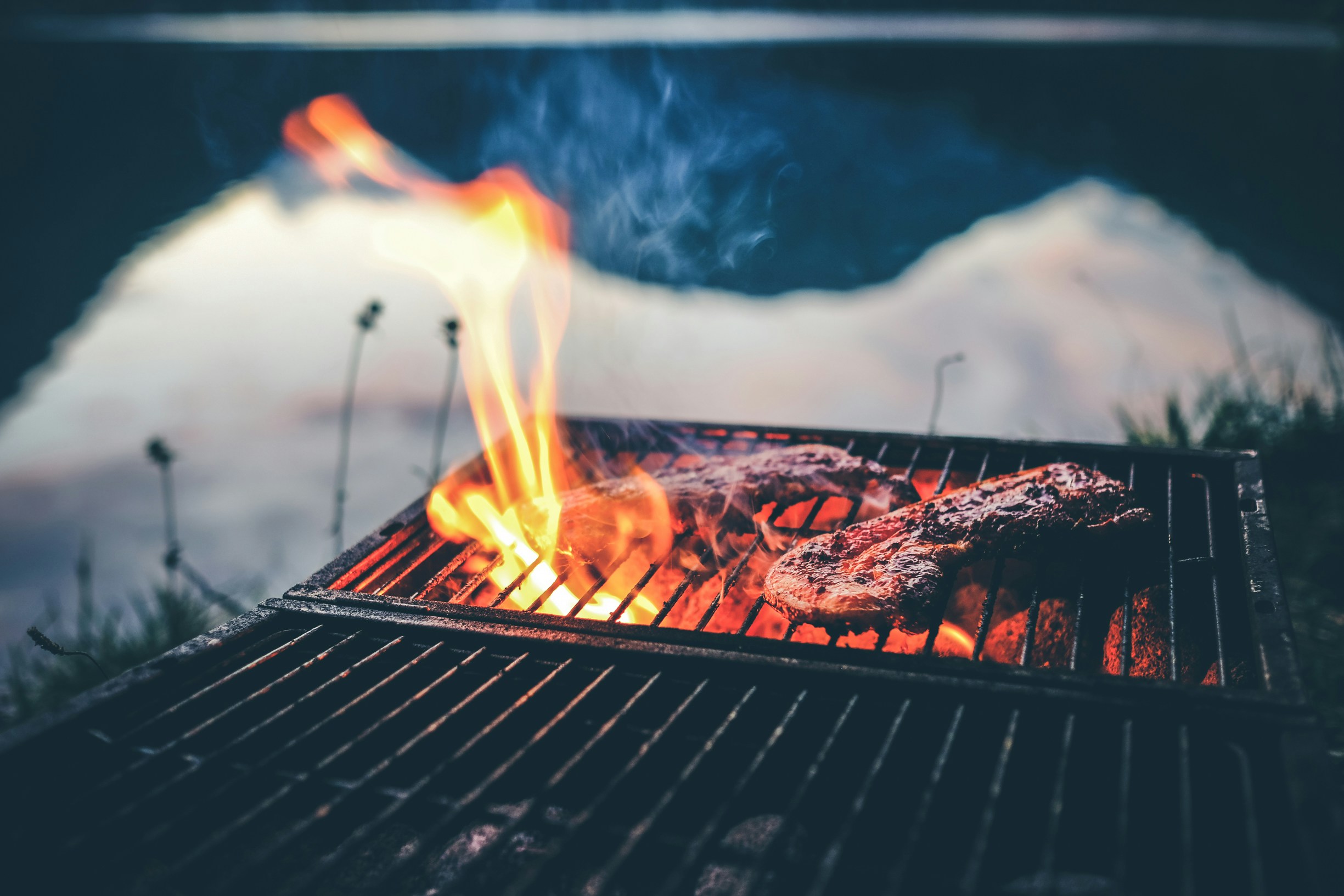
A Historical Overview of Barbecue in America
Barbecue, as it is known today, has deep-rooted origins in the diverse culinary traditions of the Americas, particularly in the United States. The lineage of barbecue can be traced back to the indigenous peoples who inhabited the region long before European settlers arrived. These early inhabitants utilized smoke and fire to cook meat, employing methods that showcased their resourcefulness in using available resources. The cooking techniques of Native Americans are widely believed to have influenced the early practices of barbecue, setting the stage for what would flourish into a hallmark of American cuisine.
As European settlers—primarily the Spanish and British—settled in North America, they brought their cooking methods and flavors with them. The introduction of hogs brought by Spanish explorers gave rise to the practice of slow-cooking pork, a staple in barbecue preparations. The British influence is seen in the use of vinegar-based sauces, which would later become characteristic of barbecue cuisines in the Carolinas. Meanwhile, African American communities played a pivotal role in the evolution of barbecue practices, integrating their own unique flavors and techniques, thereby enriching the barbecue tradition.
As the nation expanded westward, barbecue evolved into a regional art form, diversifying significantly from Texas beef brisket to the pulled pork of the Carolinas. Each region developed its own style, influenced by local ingredients and cultural preferences. Important historical events, such as community gatherings and state fairs, solidified barbecue’s place in American culture, providing opportunities to celebrate culinary traditions. Over time, figures like barbecue pitmasters emerged, becoming local legends and contributing to the craft’s rich tapestry.
The evolution of barbecue continues to be shaped by cultural exchanges and innovations, making it not only a method of cooking but a celebration of community and heritage across the United States.
Regional Styles: Texas Barbecue vs. Carolina Barbecue
Barbecue in the United States manifests a rich tapestry of regional styles, particularly notable in Texas and the Carolinas. Each region showcases its own distinct cultural influences, preferences for specific meats, cooking techniques, and flavor profiles, culminating in a barbecue experience that is both unique and representative of local traditions.
Texas barbecue is predominantly characterized by its heavy emphasis on beef, particularly brisket. The cooking process often involves slow smoking over post oak or mesquite wood, imparting a robust flavor that highlights the quality of the meat. Techniques such as dry rubbing with a simple blend of spices—mostly salt and pepper—are common, allowing the natural flavors of the beef to shine through without overwhelming them with sauces. Additionally, Texas barbecue may feature sausage and occasionally ribs, reflecting a penchant for hearty meats and bold smoke.
In contrast, Carolina barbecue is largely focused on pork, particularly whole hogs or pork shoulders. The cooking method involves slow-roasting the meat, often for hours, using a vinegar-based marinade that infuses a tangy flavor. A noteworthy aspect of Carolina barbecue is the regional variation in sauces; for example, Eastern North Carolina typically employs a vinegar and pepper sauce, while Western North Carolina may favor a tomato-based variant. This diversity in sauces enhances the overall flavor profile and complements the tender, smoky pork.
The cultural significance of these barbecue styles cannot be understated. In Texas, barbecue pits serve not only as cooking stations but as gathering places that foster community. Meanwhile, in the Carolinas, barbecue is deeply integrated into social rituals and celebrations, often regarded as a crucial element of Southern hospitality. These regional nuances in both technique and tradition illustrate how barbecue transcends mere cooking, emerging instead as a vital expression of identity and heritage in both Texas and the Carolinas.
The Role of Barbecue in American Culture
Barbecue has played a pivotal role in American culture for centuries, serving as more than just a method of cooking. It has become an essential part of community identity and family traditions, often marking celebrations and gatherings. Whether it is a summer cookout in the backyard or an elaborate wedding feast, barbecue is a centerpiece that brings people together, fostering relationships and creating shared memories. The act of preparing and enjoying barbecue often symbolizes hospitality, showcasing both culinary skill and a willingness to nurture connections.
Moreover, barbecue serves as a cultural identifier that varies significantly across regions in the United States. Each area boasts its unique styles and flavors—smoky Texas brisket, tangy Kansas City ribs, or the vinegar-based sauces of the Carolinas—each allowing residents to express regional pride through their food. These culinary distinctions encourage a sense of belonging and community among locals, as they bond over their shared preferences and traditions in barbecue. Such local pride is accentuated during public events, especially barbecue festivals that draw participants from far and wide, offering an opportunity for cultural exchange and celebration of diversity in cooking styles.
The evolution of barbecue has also paved the way for a thriving industry that includes both dining establishments and competitive events. Barbecue restaurants have proliferated across the nation, offering a variety of dishes and creating hubs for social interaction. Furthermore, barbecue competitions, such as the prestigious Memphis in May World Championship Barbecue Cooking Contest, have emerged, attracting thousands and showcasing the skills of pitmasters. These events highlight not only the competitive spirit associated with barbecue but also its significance as a cultural phenomenon that unites people across various backgrounds.
Modern Trends and Future of Barbecue
Barbecue, a quintessential part of American cuisine, has witnessed significant evolution in recent years. Contemporary trends have shifted the traditional understanding of barbecue, introducing new flavors, cooking techniques, and dietary considerations that cater to an increasingly diverse audience. One of the most notable developments is the rise of fusion barbecue styles, blending regional flavors with international ingredients. Chefs and home cooks alike are experimenting with different spices, marinades, and cooking methods, enhancing the barbecue experience with unique twists derived from global culinary traditions.
The influence of food media cannot be overstated in this context. Social media platforms, cooking shows, and food blogs have enabled barbecue enthusiasts to share their creations and techniques widely, fostering a community that thrives on innovation and creativity. This exposure has not only elevated the profile of barbecue but has also encouraged the incorporation of diverse cultural elements into traditional dishes. As a result, we are now witnessing hybrid styles, such as Korean BBQ tacos or jerk chicken sliders, which reflect a more global palate.
Moreover, the surge in plant-based eating has prompted the barbecue sector to adapt. With the growing demand for vegetarian and vegan options, many establishments are now offering innovative plant-based meats and sides that maintain the robust flavors associated with barbecue while catering to changing consumer preferences. Grilled vegetables, smoky tempeh, and jackfruit are becoming staples on barbecue menus, highlighting the increasing flexibility of this culinary tradition.
Looking ahead, barbecue must confront challenges related to sustainability and health-conscious eating habits. As climate concerns rise, the industry is tasked with finding ways to promote environmentally sustainable practices without compromising the essence of barbecue. The future of this beloved American tradition lies in balancing honed techniques and flavors with these new dietary and ecological demands. By embracing innovation while honoring the roots of barbecue, the craft can continue to thrive in an ever-evolving food landscape.